
The first call to an architect is often the hardest step in any building project.
You might have been thinking about it for months, if not years – that sustainable extension you need, the Passivhaus retrofit you’ve researched, the eco-home you want to build. You’ve browsed images online and imagined what could be different. But picking up the phone can feel like you’re committing to the expense, the work, the disruption. What if you’re not ready? What if you change your mind?
That’s exactly why the initial consultation exists, to explore ideas before any commitment. It’s finding out what’s possible before you decide anything.
What could your house become? What would it cost? What would the process involve? Those are questions worth answering, even if the answer turns out to be “not yet” or “differently than I imagined.”
Getting started
When you first get in touch, I’ll ask you to fill out a short questionnaire about your project – what you want to do, your budget, your sustainability ambitions, your timeline. This helps me understand what you’re hoping to achieve and helps you gather your thoughts.
Within a couple of days I’ll get back to you. If I think we’d work well together, I’ll suggest booking a consultation. If I’m not the right architect for your project – maybe you need specialist skills I don’t have, or the timing doesn’t fit my capacity – I’ll let you know straight away and suggest alternatives where I can.
The consultation itself
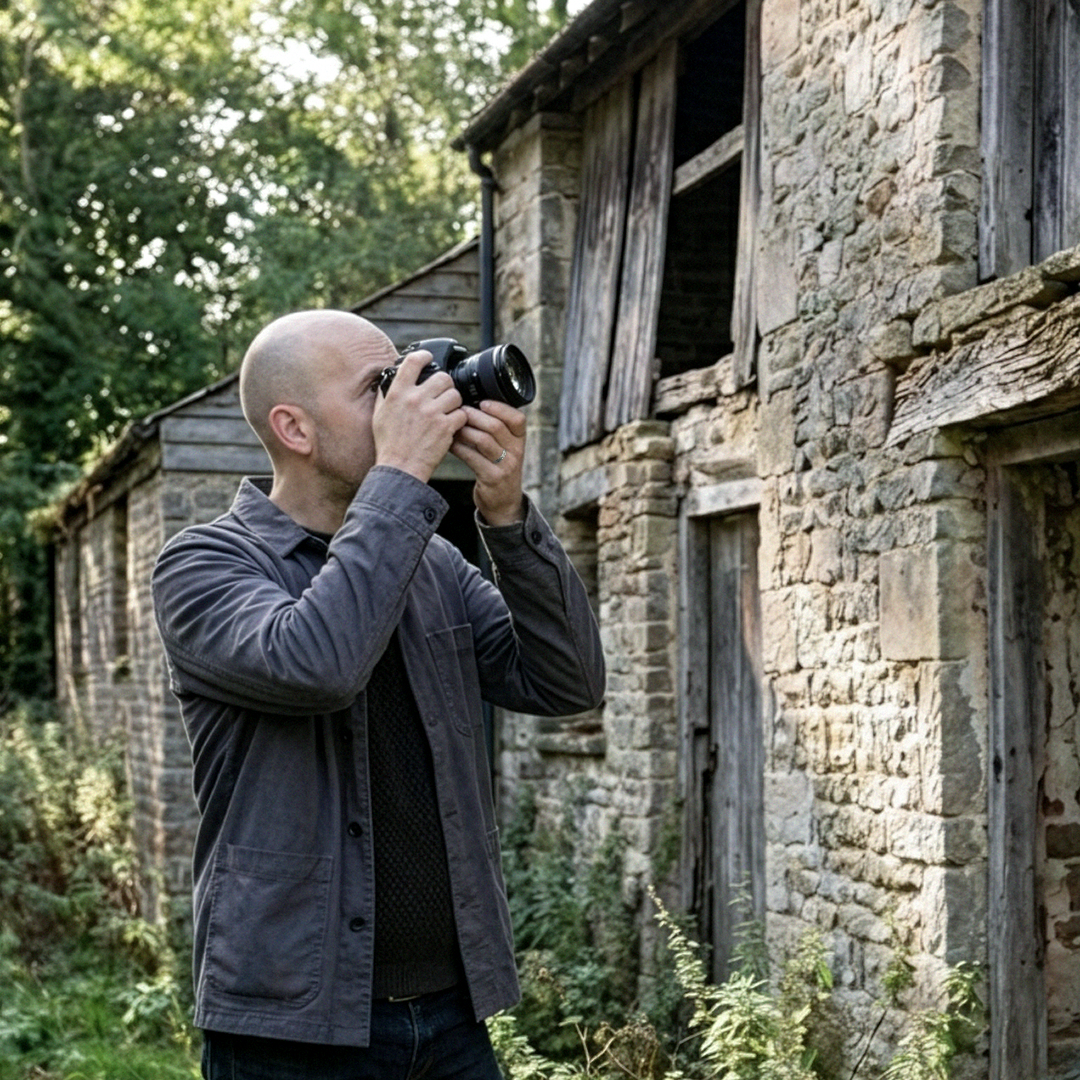
The consultation takes one to two hours, at your site where I can see your house or plot firsthand and we can walk through it together. I’ll be looking at how light moves, where the sun rises and sets, which views are worth capturing. I’ll be noticing how the land slopes, how your house sits in relation to neighbours, and what constraints and opportunities exist. And I’ll be listening, not just to what you think you need but to how you actually live. The breakfast routine that doesn’t work. The view you wish you could see. The room that never gets used.
It’s not a sales pitch, I won’t be showing you my portfolio or trying to convince you to hire me. It’s the opportunity to discuss your project with a professional with no obligation to go any further.
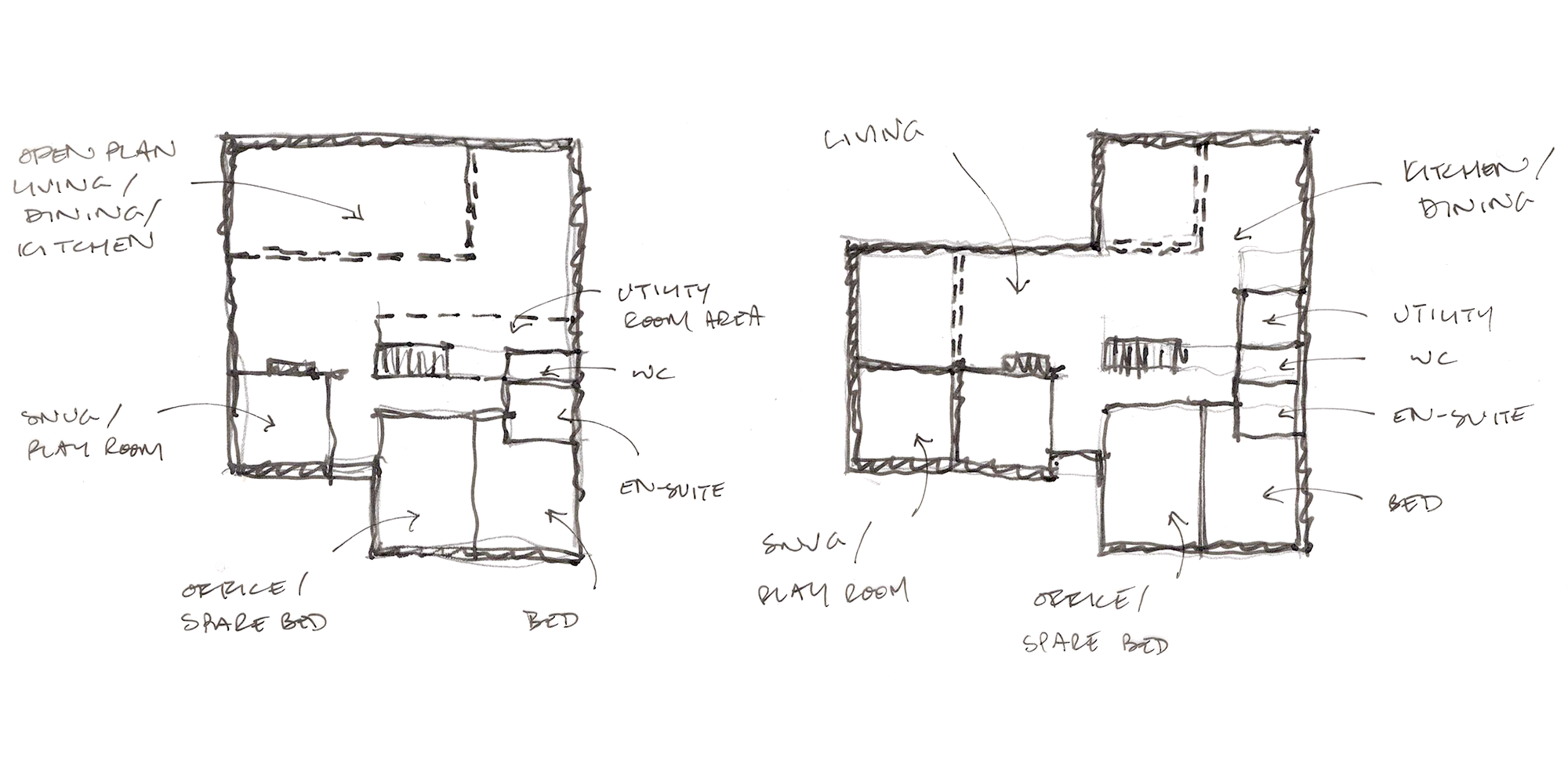
We’ll sketch ideas as we talk. Quick diagrams of where an extension could go, how rooms might connect, or how daylight could work. These aren’t formal drawings but just thinking-on-paper. You’ll take these sketches away to mull over.
If you want your house to be low-energy but don’t know what that means in practice, we’ll talk it through. Not in jargon, but in terms of comfort, bills, and future-proofing your home. What does Passivhaus actually mean? What’s the difference between good insulation and great insulation? How do these choices affect both your budget and your carbon footprint?
Sometimes what emerges is unexpected. You thought you needed an extension but we identify a simpler solution. Or you were planning something modest but realise a more comprehensive approach makes better sense. Either way, by the end you’ll have a clearer picture of your options.
There’s a fixed charge of £200 for the consultation, which reflects professional advice. The fee is for the site visit, initial feasibility assessment, and guidance on what’s possible. It reflects the preparation time beforehand (reviewing your site, checking planning history, understanding constraints) and the expertise during our meeting. Think of it as buying clarity before making bigger decisions. Even if you don’t proceed immediately, you’ll understand what your project would involve and what it would cost.
What you’ll receive
Within two weeks you’ll get a written report containing the sketches we created, planning considerations for your site, realistic cost guidance, a timeline showing what happens when, and a fee proposal with three different service levels to choose from should you decide to proceed with me.
But there’s no obligation to proceed. Some people use the consultation to clarify their thinking before approaching other architects. Others realise the timing isn’t quite right. Either way, you’ll have professional input to help your project succeed, whoever you work with.
Making the call
Chances are this will be your first experience of working with an architect. That’s absolutely fine. Most people I work with have never done this before.
What I’ve learned from these conversations is that the best projects start when someone is brave enough to say “this is what I really want” and we explore it honestly together.
You might discover your project is more achievable than you thought. You might realise you need to wait a bit longer. You might identify a completely different solution to the one you imagined. All of those are good outcomes, because they all give you clarity.
The hardest part is making that first contact. After that, we’re just problem-solving together.
When you’re ready, please get in touch.